
Journal Description
Medicines
Medicines
is an international, peer-reviewed, open access journal on drug discovery and clinical application published quarterly online by MDPI.
- Open Access— free for readers, with article processing charges (APC) paid by authors or their institutions.
- High Visibility: indexed within PubMed, PMC, CAPlus / SciFinder, and other databases.
- Rapid Publication: manuscripts are peer-reviewed and a first decision is provided to authors approximately 27.7 days after submission; acceptance to publication is undertaken in 7.2 days (median values for papers published in this journal in the second half of 2025).
- Recognition of Reviewers: reviewers who provide timely, thorough peer-review reports receive vouchers entitling them to a discount on the APC of their next publication in any MDPI journal, in appreciation of the work done.
- Medicines is a companion journal of Pharmaceutics.
Latest Articles
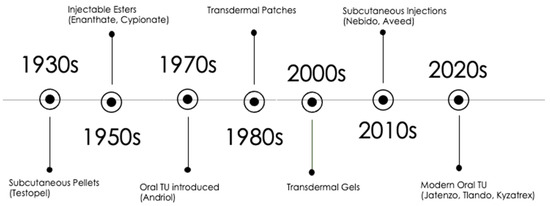
Treatment of Symptomatic Male Hypogonadism with New Oral Testosterone Therapies: A Comparative Review of Jatenzo, Tlando, and Kyzatrex
Medicines 2026, 13(1), 1; https://doi.org/10.3390/medicines13010001 - 22 Dec 2025
Abstract
Symptomatic male hypogonadism, defined by low serum testosterone with associated clinical symptoms, is increasingly treated with testosterone replacement therapy. Traditional oral formulations were limited by hepatotoxicity and poor bioavailability, leading to reliance on injectable and transdermal routes. Recent advances in oral testosterone undecanoate
[...] Read more.
Symptomatic male hypogonadism, defined by low serum testosterone with associated clinical symptoms, is increasingly treated with testosterone replacement therapy. Traditional oral formulations were limited by hepatotoxicity and poor bioavailability, leading to reliance on injectable and transdermal routes. Recent advances in oral testosterone undecanoate formulations have introduced safer and more effective options. This review compares Jatenzo, Tlando, and Kyzatrex, highlighting their pharmacology, efficacy, safety, and clinical utility. Clinical trial data demonstrate restoration of eugonadal testosterone levels in most patients (80–88%), with shared risks including hypertension, polycythemia, and lipid changes. Differences in dosing regimens, titration requirements, and insurance coverage influence choice of therapy and patient adherence. Kyzatrex offers flexible titration and self-pay access, Tlando provides a fixed-dose regimen, and Jatenzo combines titratability with established clinical data. Collectively, these agents expand the therapeutic landscape of hypogonadism, offering effective, non-invasive alternatives that support individualized treatment strategies.
Full article
(This article belongs to the Topic New Compounds Discovery and Development in Medicine — Advances in Research on Potential Therapeutic Agents and Drug Candidates, 2nd Edition)
►
Show Figures
Open AccessArticle
Preliminary Evaluation of an Injectable Therapeutic for Cisplatin Ototoxicity Using Neuronal SH-SY5Y Cells
by
Michelle Hong, Katherine Kedeshian, Larry Hoffman and Ashley Kita
Medicines 2025, 12(4), 30; https://doi.org/10.3390/medicines12040030 - 9 Dec 2025
Abstract
►▼
Show Figures
Background/Objectives: Though ototoxic, cisplatin is a mainstay of chemotherapy for a variety of cancers. One suggested mechanism of cisplatin ototoxicity involves damage to the spiral ganglion afferent neurons in the inner ear. There is a need for a high-throughput model to screen medications
[...] Read more.
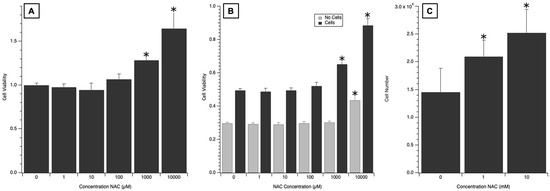
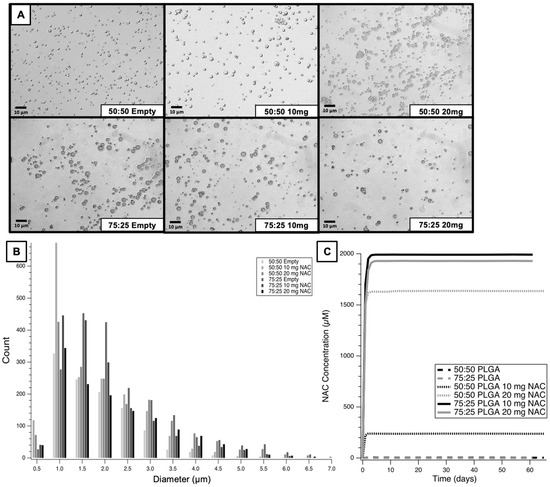
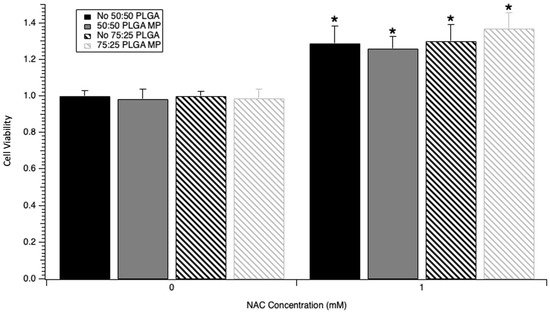
Background/Objectives: Though ototoxic, cisplatin is a mainstay of chemotherapy for a variety of cancers. One suggested mechanism of cisplatin ototoxicity involves damage to the spiral ganglion afferent neurons in the inner ear. There is a need for a high-throughput model to screen medications for efficacy against cisplatin and to develop a local therapeutic to mitigate cisplatin’s debilitating side effects. Microparticles encapsulating a therapeutic medication are an injectable and tunable method of sustained drug delivery, and thus a promising treatment. Methods: SH-SY5y human neuroblastoma cells were used as a cell line model for the spiral ganglion neurons. The cells were dosed with cisplatin and four potential therapeutics (melatonin, metformin, cyclosporine, and N-acetylcysteine), with cell viability measured by CCK-8 assay. The most promising therapeutic, N-acetylcysteine (NAC), was then encapsulated into multiple poly(lactic-co-glycolic acid) (PLGA) microparticle subtypes of varied lactide–glycolide (L:G) ratios and NAC amounts. The elution profile of each microparticle subtype was determined over two months. Results: Of the therapeutics screened, only cells dosed with 1 or 10 mM NAC prior to cisplatin injury demonstrated an improvement in cell viability (73.8%, p < 1 × 10⁻⁸) when compared to cells dosed with cisplatin alone. The 75:25 L:G microparticles demonstrated an increase in the amount of NAC released compared to the 50:50 L:G microparticles. Conclusions: NAC is a potential therapeutic agent for cisplatin toxicity when tested in a neuronal cell line model. NAC was encapsulated into PLGA microparticles and eluted detectable concentrations of NAC for 6 days, which is a first step towards otoprotection for the weeks long duration of chemotherapy treatment. This work describes a method of screening potential therapeutics and a strategy to develop local drug eluting treatments to protect against cisplatin ototoxicity.
Full article

Figure 1
Open AccessArticle
Identification of Active Components in Connarus ruber Extract Exhibiting Anti-Glycation Effects
by
Ryoji Taniguchi, Ryusuke Nakatsuka, Yuka Sasaki, Mariko Takenokuchi, Takashi Maoka, Tomio Iseki, Hirohito Kubo and Tadashige Nozaki
Medicines 2025, 12(4), 29; https://doi.org/10.3390/medicines12040029 - 3 Dec 2025
Abstract
Background: Glycation, a non-enzymatic reaction between sugars and biomolecules, leads to the formation of advanced glycation end-products (AGEs), which are implicated in the progression of chronic diseases. Connarus ruber (Poepp.) Planch (C. ruber), a traditional medicinal plant used for diabetes, has
[...] Read more.
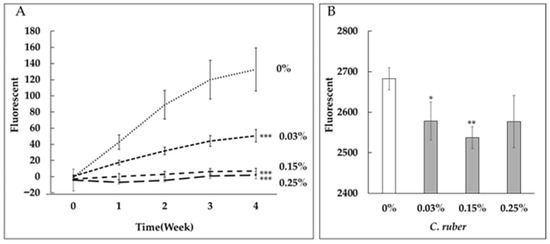
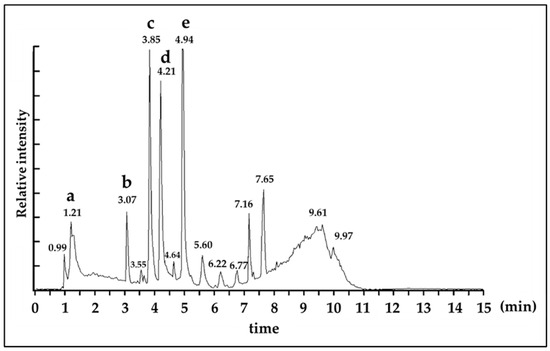
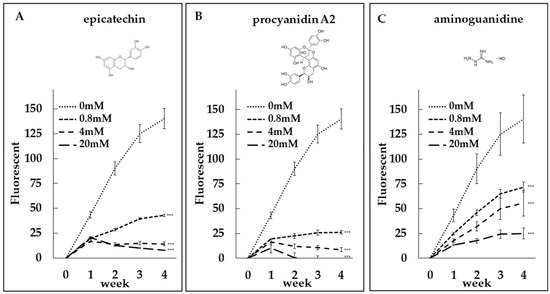
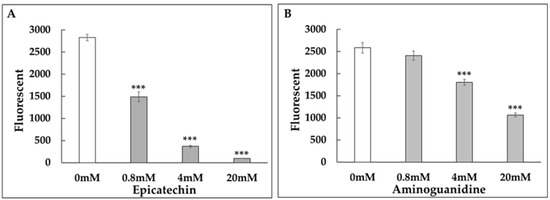
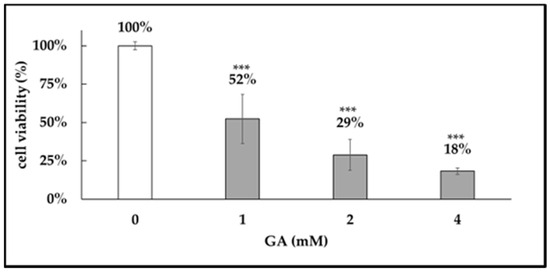
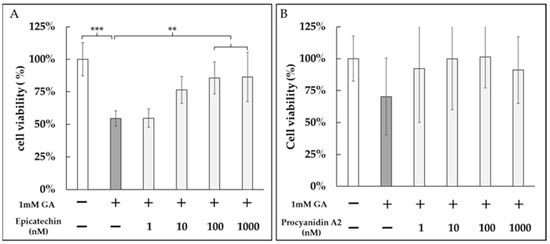
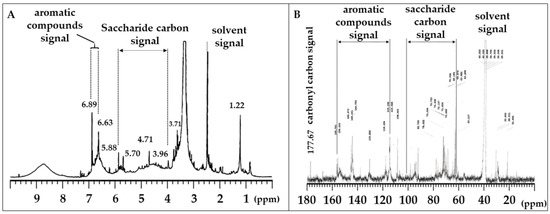
Background: Glycation, a non-enzymatic reaction between sugars and biomolecules, leads to the formation of advanced glycation end-products (AGEs), which are implicated in the progression of chronic diseases. Connarus ruber (Poepp.) Planch (C. ruber), a traditional medicinal plant used for diabetes, has shown anti-glycation activity. This study aimed to identify the active components in C. ruber extract and elucidate their anti-glycation mechanisms. Methods: Using NMR and LC-MS analyses, we identified epicatechin and procyanidin A2 as major polyphenolic constituents. Collagen glycation assays were performed to evaluate the inhibitory effects of these compounds on fructose- and glyceraldehyde (GA)-induced glycation. Additionally, their cytoprotective effects were assessed using GA-induced cytotoxicity assays in dental pulp stem cells (DPSCs). Results: Both epicatechin and procyanidin A2 inhibited fructose- and GA-induced glycation in a dose-dependent manner, showing greater efficacy than aminoguanidine. Furthermore, these compounds significantly alleviated GA-induced cytotoxicity in DPSCs. Conclusions: These findings suggest that epicatechin and procyanidin A2 are candidate contributors to the anti-glycation and cytoprotective effects of C. ruber. The results support the potential of C. ruber extract as a source of therapeutic agents for glycation-related diseases and for enhancing stem cell viability.
Full article
(This article belongs to the Section Oral Medicine and Dentistry)
►▼
Show Figures

Figure 1

Open AccessReview
AΙ-Driven Drug Repurposing: Applications and Challenges
by
Paraskevi Keramida, Nikolaos K. Syrigos, Marousa Kouvela, Garyfallia Poulakou, Andriani Charpidou and Oraianthi Fiste
Medicines 2025, 12(4), 28; https://doi.org/10.3390/medicines12040028 - 13 Nov 2025
Abstract
►▼
Show Figures
Drug repurposing is the process of discovering new therapeutic indications for already existing drugs. By using already approved molecules with known safety profiles, this approach reduces the time, costs, and failure rates associated with traditional drug development, accelerating the availability of new treatments
[...] Read more.
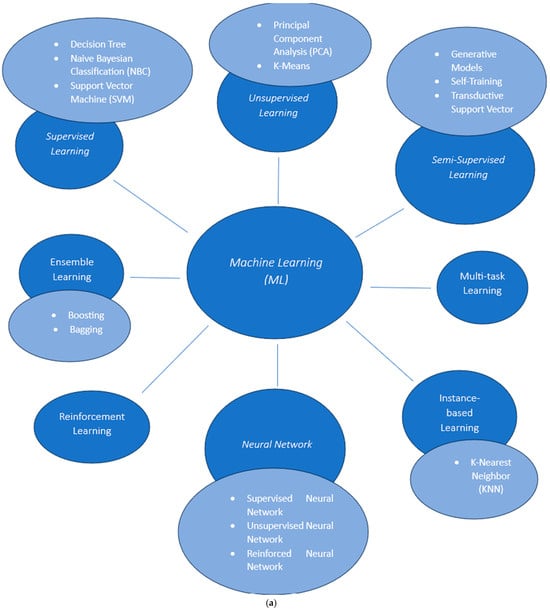
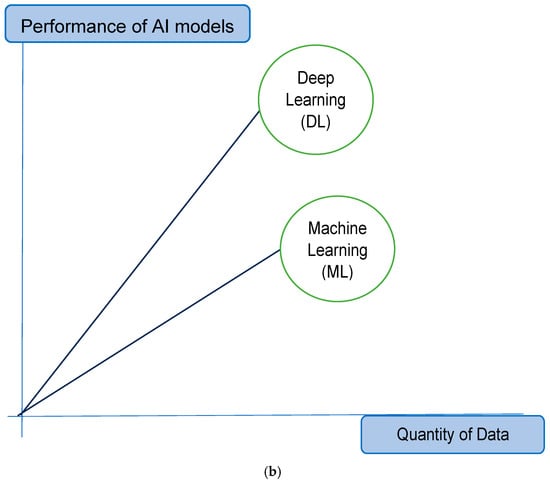
Drug repurposing is the process of discovering new therapeutic indications for already existing drugs. By using already approved molecules with known safety profiles, this approach reduces the time, costs, and failure rates associated with traditional drug development, accelerating the availability of new treatments to patients. Artificial Intelligence (AI) plays a crucial role in drug repurposing by exploiting various computational techniques to analyze and process big datasets of biological and medical information, predict similarities between biomolecules, and identify disease mechanisms. The purpose of this review is to explore the role of AI tools in drug repurposing and underline their applications across various medical domains, mainly in oncology, neurodegenerative disorders, and rare diseases. However, several challenges remain to be addressed. These include the need for a deeper understanding of molecular mechanisms, ethical concerns, regulatory requirements, and issues related to data quality and interpretability. Overall, AI-driven drug repurposing is an innovative and promising field that can transform medical research and drug development, covering unmet medical needs efficiently and cost-effectively.
Full article

Figure 1
Open AccessArticle
Cannabis Use and Analgesic Prescribing in UK Primary Care: A Retrospective Cohort Study of Patients with Osteoarthritis
by
Simon Erridge, Joht Singh Chandan, Krishna M. Gokhale, Christian Billinghurst and Mikael H. Sodergren
Medicines 2025, 12(4), 27; https://doi.org/10.3390/medicines12040027 - 10 Nov 2025
Abstract
Objectives: This study aims to assess differences in analgesia prescribing in UK primary care between individuals with osteoarthritis who have a recorded exposure to cannabis use and those who do not. Methods: This population-based retrospective cohort study included opioid-naïve patients with osteoarthritis (aged
[...] Read more.
Objectives: This study aims to assess differences in analgesia prescribing in UK primary care between individuals with osteoarthritis who have a recorded exposure to cannabis use and those who do not. Methods: This population-based retrospective cohort study included opioid-naïve patients with osteoarthritis (aged 25–85 years) who were active in Clinical Practice Research Datalink Aurum between 1 January 1995 and 15 December 2023. Patients with osteoarthritis who had current or historic cannabis use recorded were matched to two unexposed individuals by age, sex, smoking status, and health authority. Patients were followed up to assess prescriptions of analgesia. Cox regression was performed adjusted for age, sex, and ethnicity. Results: 662 exposed patients were matched to 1319 unexposed patients. Cannabis-exposed individuals were more likely to be prescribed opioids (adjusted hazard ratio (HR): 2.06; 95% confidence interval (CI): 1.74–2.43; p < 0.001), gabapentinoids (HR: 3.31; 95% CI: 2.34–4.67; p < 0.001), non-steroidal anti-inflammatory drugs (HR: 1.99; 95% CI: 1.72–2.31; p < 0.001), tricyclic antidepressants (HR: 2.64; 95% CI: 2.03–3.44; p < 0.001), other antidepressants (HR: 7.22; 95% CI: 5.24–9.94; p < 0.001), and paracetamol (HR: 3.30; 95% CI: 2.43–4.48; p < 0.001). Conclusions: This study suggests there is an association between coded exposure to cannabis in UK primary care records and increased prescribing of analgesia. Given the relative scarcity of recorded cannabis use relative to its prevalence in the general population, these findings must be interpreted cautiously. The increased hazard of using analgesia and mortality within the cannabis-exposed cohort may be confounded by socioeconomic status and a higher likelihood of coding cannabis use in those experiencing adverse effects after consumption or cannabis misuse disorder.
Full article
Open AccessArticle
HDAC5 Inhibition as a Therapeutic Strategy for Titin Deficiency-Induced Cardiac Remodeling: Insights from Human iPSC Models
by
Arif Ul Hasan, Sachiko Sato, Mami Obara, Yukiko Kondo and Eiichi Taira
Medicines 2025, 12(4), 26; https://doi.org/10.3390/medicines12040026 - 27 Oct 2025
Abstract
►▼
Show Figures
Background/Objectives: Dilated cardiomyopathy (DCM) is a prevalent and life-threatening heart muscle disease often caused by titin (TTN) truncating variants (TTNtv). While TTNtvs are the most common genetic cause of heritable DCM, the precise downstream regulatory mechanisms linking TTN
[...] Read more.
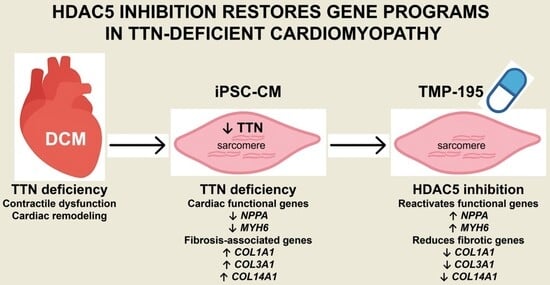
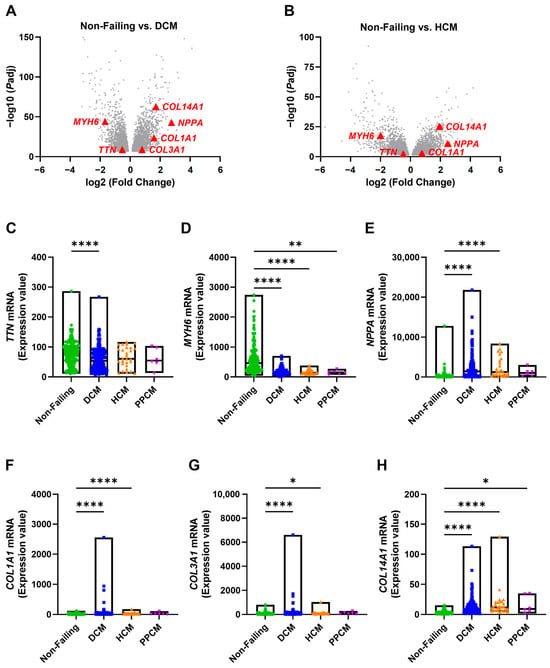
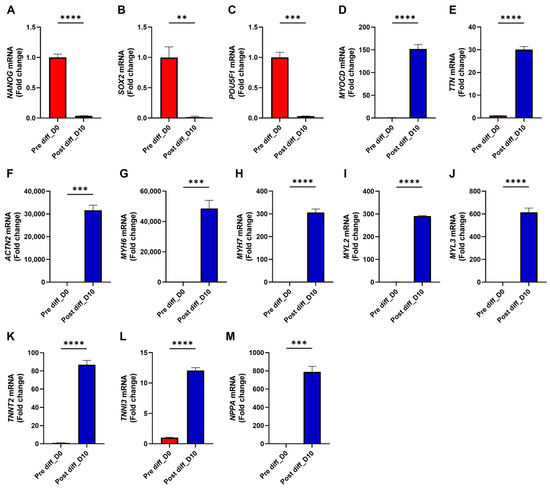
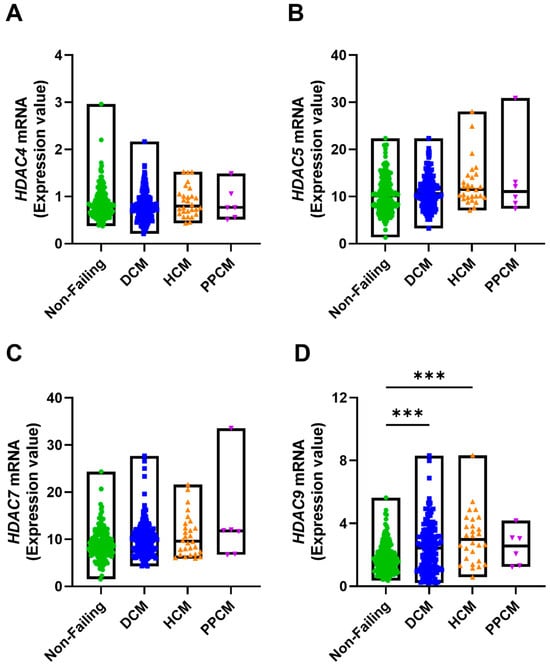
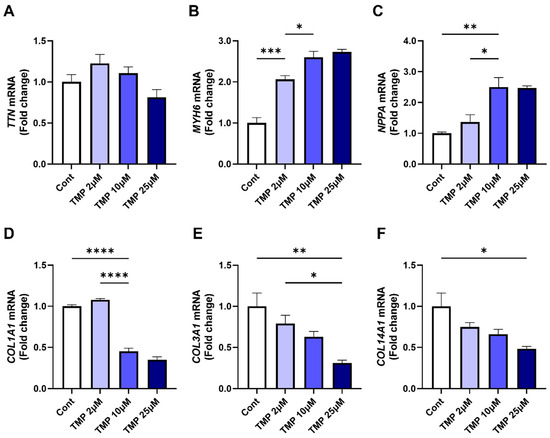
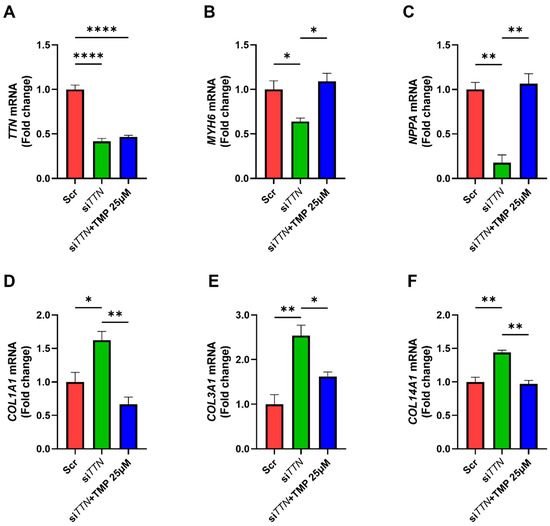
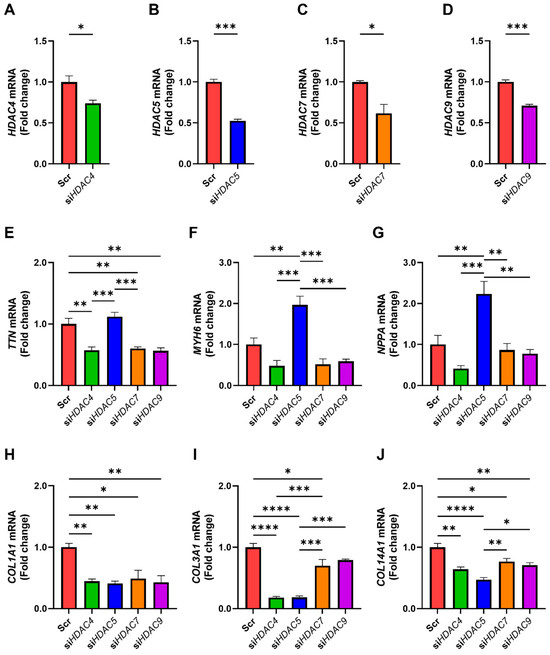
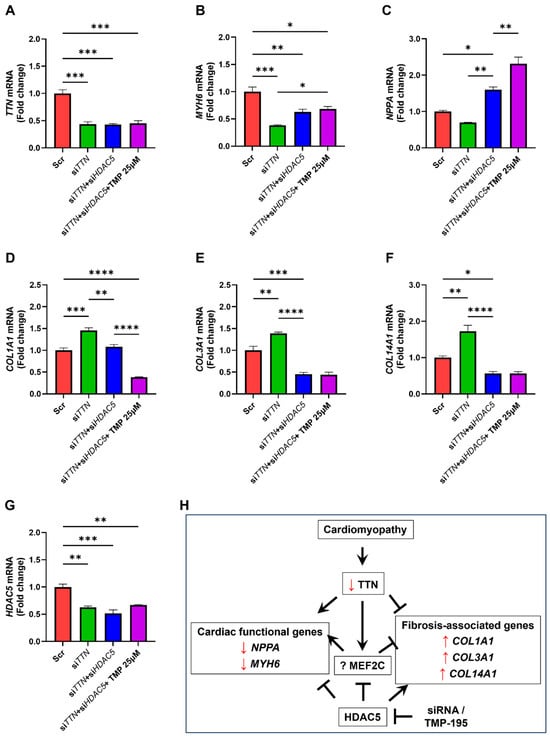
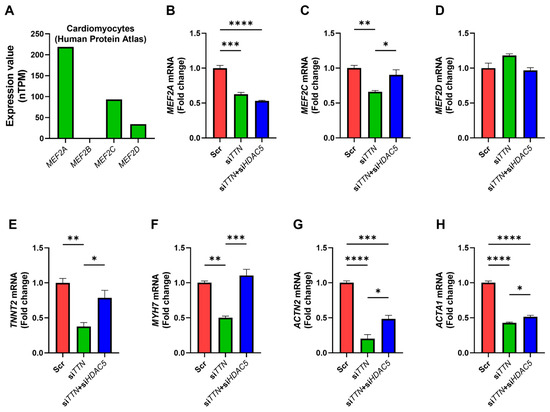
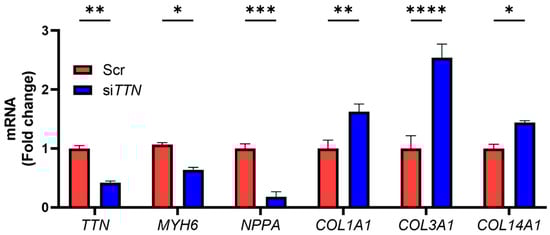
Background/Objectives: Dilated cardiomyopathy (DCM) is a prevalent and life-threatening heart muscle disease often caused by titin (TTN) truncating variants (TTNtv). While TTNtvs are the most common genetic cause of heritable DCM, the precise downstream regulatory mechanisms linking TTN deficiency to cardiac dysfunction and maladaptive fibrotic remodeling remain incompletely understood. This study aimed to identify key epigenetic regulators of TTN-mediated gene expression and explore their potential as therapeutic targets, utilizing human patient data and in vitro models. Methods: We analyzed RNA sequencing (RNA-seq) data from left ventricles of non-failing donors and cardiomyopathy patients (DCM, HCM, PPCM) (GSE141910). To model TTN deficiency, we silenced TTN in human iPSC-derived cardiomyocytes (iPSC-CMs) and evaluated changes in cardiac function genes (MYH6, NPPA) and fibrosis-associated genes (COL1A1, COL3A1, COL14A1). We further tested the effects of TMP-195, a class IIa histone deacetylase (HDAC) inhibitor, and individual knockdowns of HDAC4/5/7/9. Results: In both human patient data and the TTN knockdown iPSC-CM model, TTN deficiency suppressed MYH6 and NPPA while upregulating fibrosis-associated genes. Treatment with TMP-195 restored NPPA and MYH6 expression and suppressed collagen genes, without altering TTN expression. Among the HDACs tested, HDAC5 knockdown was most consistently associated with improved cardiac markers and reduced fibrotic gene expression. Co-silencing TTN and HDAC5 replicated these beneficial effects. Furthermore, the administration of TMP-195 enhanced the modulation of NPPA and COL1A1, though its impact on COL3A1 and COL14A1 was not similarly enhanced. Conclusions: Our findings identify HDAC5 as a key epigenetic regulator of maladaptive gene expression in TTN deficiency. Although the precise mechanisms remain to be clarified, the ability of pharmacological HDAC5 inhibition with TMP-195 to reverse TTN-deficiency-induced gene dysregulation highlights its promising translational potential for TTN-related cardiomyopathies.
Full article

Graphical abstract
Open AccessArticle
Checklist-Based Identification of Adverse Drug Reactions in Emergency Department Patients
by
Benjamin J. Hellinger, Thilo Bertsche, Yvonne Remane and André Gries
Medicines 2025, 12(4), 25; https://doi.org/10.3390/medicines12040025 - 17 Oct 2025
Abstract
►▼
Show Figures
Background: Patients presenting at the emergency department (ED) have a wide variety of complaints. In some of those patients a possible reason for their complaints might be an adverse drug reaction (ADR). An appropriate identification of ADR in this setting is required to
[...] Read more.
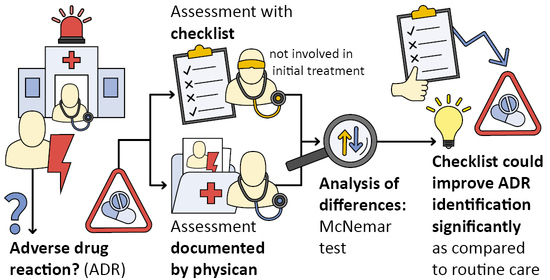
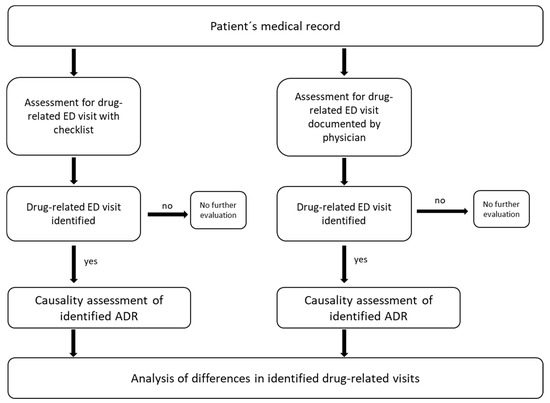
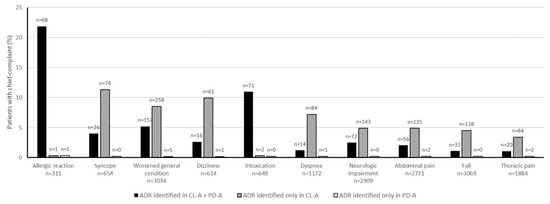
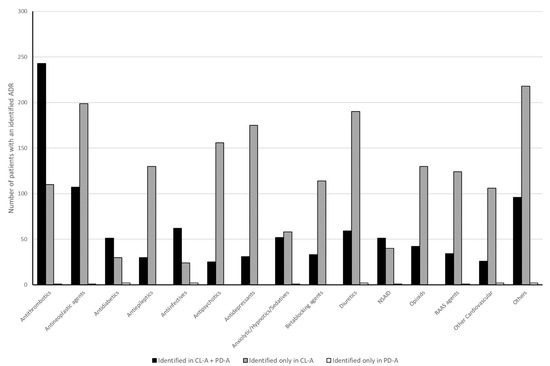
Background: Patients presenting at the emergency department (ED) have a wide variety of complaints. In some of those patients a possible reason for their complaints might be an adverse drug reaction (ADR). An appropriate identification of ADR in this setting is required to optimize drug therapy and to prevent serious harm deriving from an overlooked ADR. Methods: This retrospective study assessed medical records of patients for ADR as a reason for the ED presentation in two assessments. In the first assessment, medical records were evaluated for potential ADR leading to ED presentation with a predefined checklist by an examiner not involved in initial patient treatment. In the second assessment the same medical records were assessed for ADR identified by the physician in the initial patient presentation. Discrepancies in identified ADR were compared. For descriptive data analysis and statistical evaluation, the McNemar test was performed. Results: From 35,333 patients admitted to the ED, full data were available from 34,747 patients for evaluation. In those patients, 2071 (6.0%) ADR were identified as being the reason for ED presentation by using the checklist. In 828 (2.4%) patients, emergency department physicians had documented an ADR in the medical records. By using the checklist, ADR identification could be improved significantly as compared to routine care, at 6.0% vs. 2.4%, respectively (p < 0.001). The most common chief complaint in patients with an ADR was worsened general condition. Most common drug class causing ADR were antithrombotics. Conclusions: ADR seem to be overlooked in routine care since a significantly higher number of ADR were found by using a checklist-based method as compared to ADR documented as part of routine examination. Therefore, implementing the checklist in the routine process might improve ADR identification.
Full article

Graphical abstract
Open AccessArticle
Impact of Sampling Strategy and Population Model on Bayesian Estimates of Vancomycin AUC in Patients with BMI > 40 kg/m2: A Single-Center Retrospective Study
by
Sarah A. Ekkelboom, Soraya M. Hobart, Laurie J. Barten and Staci L. Hemmer
Medicines 2025, 12(4), 24; https://doi.org/10.3390/medicines12040024 - 30 Sep 2025
Abstract
►▼
Show Figures
Background/Objectives: Growing evidence supports the use of a single trough concentration, rather than both a peak and trough, to estimate the 24 h area under the curve (AUC24) of vancomycin using Bayesian software (InsightRx® Ver.1.71). However, patients with body
[...] Read more.
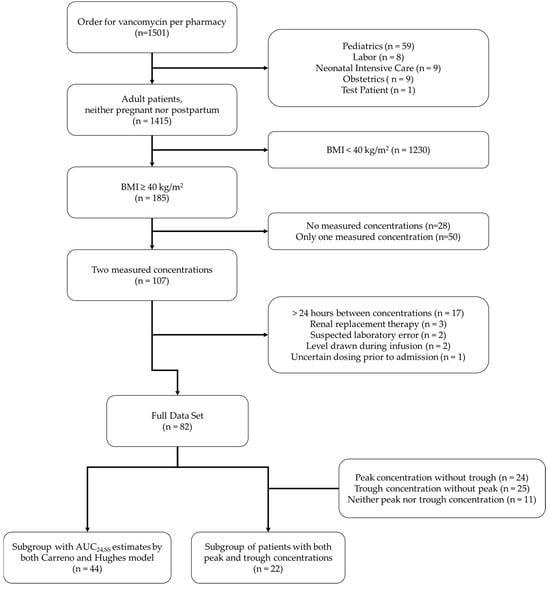
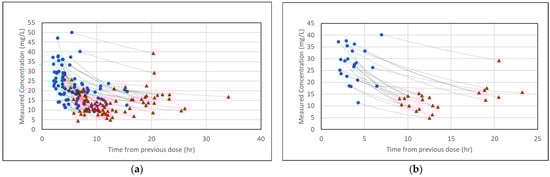
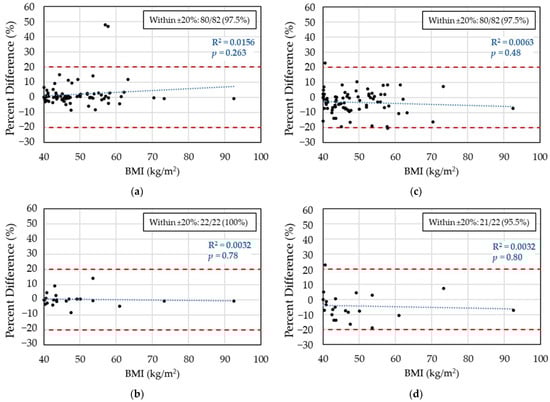
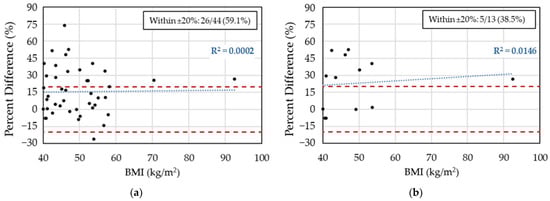
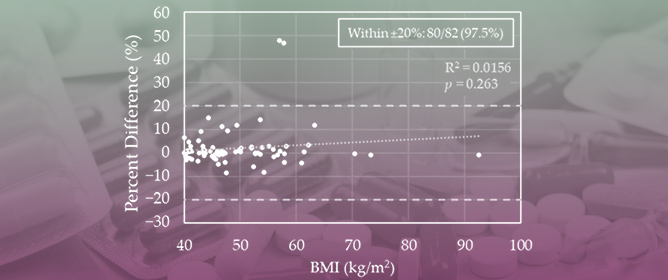
Background/Objectives: Growing evidence supports the use of a single trough concentration, rather than both a peak and trough, to estimate the 24 h area under the curve (AUC24) of vancomycin using Bayesian software (InsightRx® Ver.1.71). However, patients with body mass index (BMI) ≥ 40 kg/m2 are underrepresented in validation studies. Studies in patients with obesity have produced mixed results, potentially because of different population models used. Methods: This single-center, retrospective study evaluated adult inpatients with BMI ≥ 40 kg/m2. Steady-state AUC24 estimates generated by Bayesian software using both two-concentration and one-concentration inputs were compared. Agreement was defined as a percent difference within ±20%. Subgroup analyses were conducted for patients with defined peak and trough concentrations and for comparisons between two Bayesian population models (Carreno vs. Hughes). Linear regression assessed covariates associated with percent difference. Results: Among 82 encounters, 97.5% of one-concentration estimates based on the smaller concentration were within ±20% of the two-concentration AUC24,SS (mean difference: 2.9%, 95% CI: 0.14 to 3.8%). Similar agreement was observed using the larger concentration (97.5%, mean difference: −3.1%, 95% CI: −4.7 to −0.1.5%). Subgroup analysis for encounters with true peak/trough levels (n = 22) also showed 100% agreement within ±20%. The percent difference did not correlate with BMI or other covariates. Comparison of Hughes vs. Carreno models showed larger variability (only 59.1% within ±20%). Conclusions: In patients with BMI ≥ 40 kg/m2, Bayesian AUC24,SS estimation using a single vancomycin concentration is feasible. Greater caution is warranted in the setting of acute kidney injury, poor model fit, or targeting AUC at the extremes of the therapeutic range. The population model used to generate the Bayesian AUC estimate has a much greater influence than the number of concentrations analyzed. Furthermore, measuring two concentrations does not ensure concordance between models.
Full article

Figure 1
Open AccessSystematic Review
Levosimendan in Decompensated Heart Failure with Reduced Ejection Fraction in Older Adults: A Systematic Review of Safety and Efficacy
by
Esteban Zavaleta-Monestel, Jeaustin Mora-Jiménez, Kevin Cruz-Mora, Ernesto Martinez-Vargas, José Pablo Díaz-Madriz, Sebastián Arguedas-Chacón, Abigail Fallas-Mora, Carlos Wu-Chin and Jose Miguel Chaverrí-Fernandez
Medicines 2025, 12(4), 23; https://doi.org/10.3390/medicines12040023 - 30 Sep 2025
Abstract
►▼
Show Figures
Background/Objectives: Heart failure with reduced ejection fraction (HFrEF) is a leading cause of hospitalization and functional decline in older adults, accounting for over 80% of all heart failure cases. Given the narrow therapeutic window of currently available inotropes and the vulnerability of this
[...] Read more.
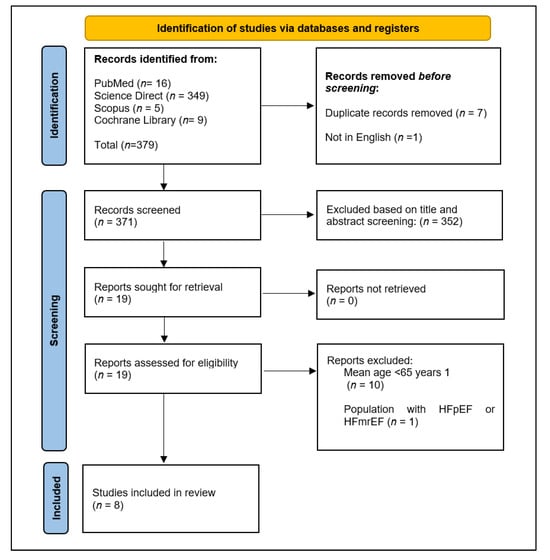
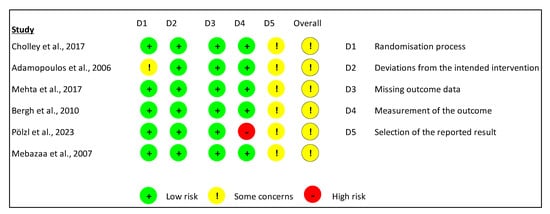
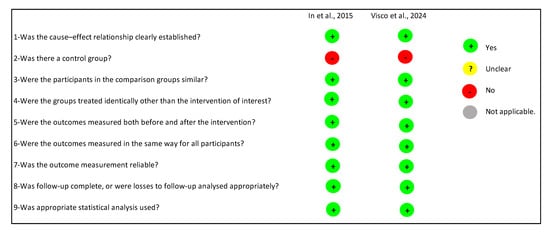
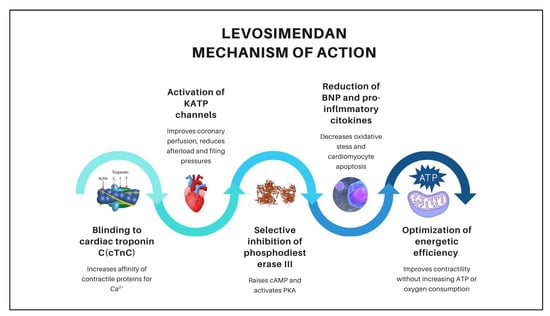
Background/Objectives: Heart failure with reduced ejection fraction (HFrEF) is a leading cause of hospitalization and functional decline in older adults, accounting for over 80% of all heart failure cases. Given the narrow therapeutic window of currently available inotropes and the vulnerability of this population, levosimendan has been proposed as a potential alternative. This systematic review aimed to evaluate the clinical efficacy and safety of levosimendan in older adults with decompensated HFrEF. Methods: A systematic search of PubMed, Embase, Scopus, and the Cochrane Library was conducted between January and May 2025, following PRISMA 2020 guidelines. The review was registered in PROSPERO (CRD420251032329). Of 379 articles initially identified, 8 studies (randomized, observational, and single-arm designs) enrolling patients aged ≥65 years with decompensated HFrEF met the inclusion criteria. Study quality was assessed using the Cochrane RoB-2 tool and JBI Critical Appraisal Checklists. No meta-analysis was performed due to heterogeneity in study designs, populations, and interventions. Results: A total of 2838 patients were analyzed. Levosimendan was associated with short-term improvements in hemodynamic parameters, including an increase in cardiac index (from 1.65 to 2.37 L/min/m2) and a reduction in pulmonary capillary wedge pressure (from 31 to 16 mmHg) within 24–72 h (p < 0.002). However, no statistically significant differences were observed in 30-, 90-, or 180-day mortality (p > 0.05), and findings on rehospitalization were inconsistent. Reported adverse events included hypotension (36–57%) and atrial arrhythmias (9–50%), with low treatment discontinuation rates (5–8%). Conclusions: Levosimendan may improve short-term hemodynamic parameters in older adults with decompensated HFrEF, but the available evidence is limited and heterogeneous. Its effects on mortality and rehospitalization remain inconclusive. Clinical use should be individualized and closely monitored, particularly in frail patients.
Full article

Figure 1
Open AccessArticle
Non-Induction Basiliximab to Facilitate Renal Recovery via Temporary Tacrolimus Cessation in Cardiothoracic Transplant Patients
by
Tanner A. Melton, Molly W. Fenske, Stacy A. Bernard, Kristin C. Cole, Kelly M. Pennington and Adley I. Lemke
Medicines 2025, 12(3), 22; https://doi.org/10.3390/medicines12030022 - 28 Aug 2025
Abstract
►▼
Show Figures
Introduction: Reversible and irreversible nephrotoxicity are known complications of tacrolimus. Approaches to reduce the incidence of nephrotoxicity include the reduction or avoidance of tacrolimus but must be weighed against risk of rejection. Infrequently, basiliximab has been used outside of the induction period to
[...] Read more.
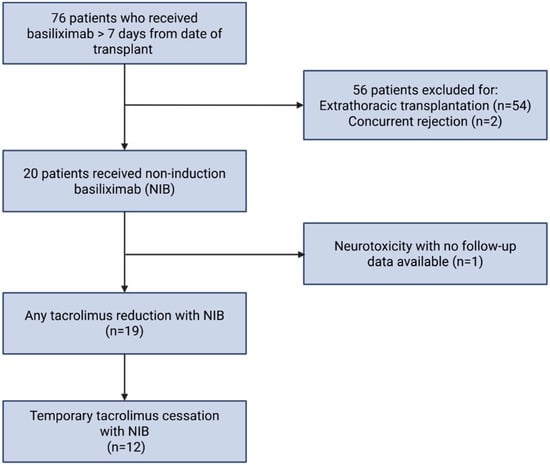
Introduction: Reversible and irreversible nephrotoxicity are known complications of tacrolimus. Approaches to reduce the incidence of nephrotoxicity include the reduction or avoidance of tacrolimus but must be weighed against risk of rejection. Infrequently, basiliximab has been used outside of the induction period to facilitate temporary tacrolimus cessation in the setting of acute kidney injury (AKI). Objective: The primary objective of this study was to describe renal recovery after temporary tacrolimus cessation with non-induction basiliximab (NIB) compared to a matched cohort. Methods: We conducted a single-center study of adult cardiothoracic transplant recipients that received basiliximab beyond post-operative day 7 for temporary tacrolimus cessation in the setting of AKI between January 2019 and November 2023 and matched them to acontrol cohort. Results: Twelve patients underwent temporary tacrolimus cessation with NIB. In total, 7 (58%) patients achieved initial renal recovery at tacrolimus resumption compared to 15 (42%) patients in the matched cohort at an equivalent time point. No difference between treated rejection (17% vs. 19%, p = 0.80) or infection (75% vs. 50%, p = 0.32) was observed between tacrolimus cessation and its matched cohort. Conclusions: The use of NIB for tacrolimus cessation can allow for potential renal recovery after an AKI or in patients at risk of AKI. This approach does not appear to significantly increase the risk of rejection but may increase the risk of infection in the long term.
Full article

Figure 1
Open AccessArticle
Duration of DKA and Insulin Use in People with and Without SGLT2 Inhibitor Medications
by
Yeung-Ae Park, Anya Kitt Lee, Rahul D. Barmanray, Frank Gao, Spiros Fourlanos and Chris Gilfillan
Medicines 2025, 12(3), 21; https://doi.org/10.3390/medicines12030021 - 19 Aug 2025
Abstract
►▼
Show Figures
Background/Objectives: Sodium–glucose co-transporter 2 inhibitors (SGLT2i) are associated with increased rates of diabetic ketoacidosis (DKA). The difference in the management and outcomes of SGLT2i-associated DKA (SGLT2i DKA) from non-SGLT2i-associated DKA (non-SGLT2i DKA) remains unclear due to a lack of specific reporting on dextrose
[...] Read more.
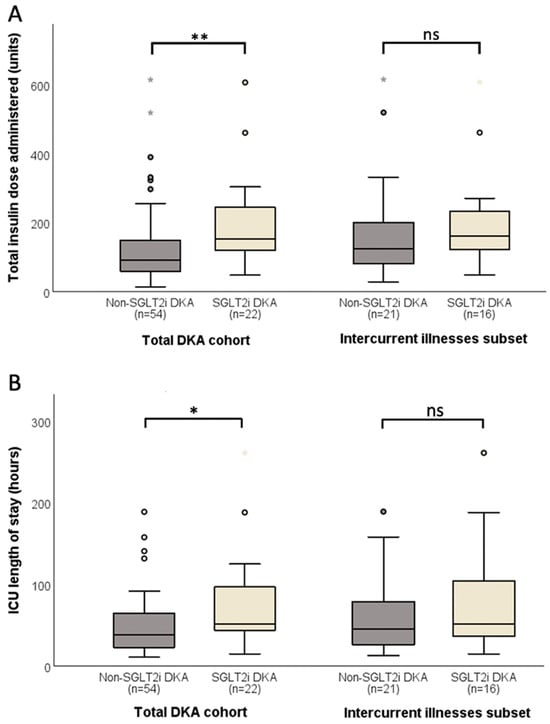
Background/Objectives: Sodium–glucose co-transporter 2 inhibitors (SGLT2i) are associated with increased rates of diabetic ketoacidosis (DKA). The difference in the management and outcomes of SGLT2i-associated DKA (SGLT2i DKA) from non-SGLT2i-associated DKA (non-SGLT2i DKA) remains unclear due to a lack of specific reporting on dextrose and insulin. This study aims to compare the management and outcome of SGLT2i and non-SGLT2i diabetic ketoacidosis. Methods: In this retrospective cohort study, patients admitted to the Intensive Care Unit (ICU) for diabetic ketosis between 1 January 2020 to 31 December 2021 at a tertiary hospital were identified. For each SGLT2i diabetic ketosis, two non-SGLT2i diabetic ketosis admissions closest to the SGLT2i admission date were evaluated for comparison. Clinical data including biochemistry, ICU length of stay (LOS), time to normalize acidemia and ketonemia, dextrose and insulin requirements, were evaluated. Results: In the SGLT2i group (n = 30), there were 22 DKA and 8 diabetic ketosis cases; in the non-SGLT2i group (n = 60), there were 54 DKA and 6 diabetic ketosis cases. SGLT2i DKA (n = 22) required 62% greater total insulin (154 [117–249] vs. 95 [59–150] units; p = 0.004), which remained statistically significant after weight adjustment (p = 0.02), and longer ICU LOS (52 [42–97] vs. 39 [23–68] hours; p = 0.01) compared to non-SGLT2i DKA (n = 54), despite a comparable time to DKA resolution (22 [15–35] vs. 20 [15–35] hours; p = 0.91). In the intercurrent illness subgroup analysis, neither total insulin dose nor ICU LOS remained statistically significantly different between SGLT2i (n = 16) and non-SGLT2i DKA (n = 21). The majority of cases received 10% dextrose and variable rate intravenous insulin infusion (VRIII). Conclusions: The greater insulin requirement in SGLT2i DKA compared to non-SGLT2i DKA may be explained by the greater proportion of precipitating intercurrent illnesses and demographic differences in SGLT2i DKA, highlighting that SGLT2i DKA (predominantly comprising T2D) and non-SGLT2i DKA (predominantly comprising T1D) represent distinct clinical entities. Our findings in comparison to the literature imply that in SGLT2i DKA, the need for prolonged IV insulin infusion may be reduced through intensive management using intravenous 10% dextrose and VRIII. Prospective studies are warranted to evaluate the efficacy of different management strategies for SGLT2i DKA.
Full article

Figure 1
Open AccessBrief Report
Evaluation of a Febrile Neutropenia Protocol Implemented at Triage in an Emergency Department
by
Stefanie Stramel-Stafford, Heather Townsend, Brian Trimmer, James Cohen and Jessica Thompson
Medicines 2025, 12(3), 20; https://doi.org/10.3390/medicines12030020 - 1 Aug 2025
Abstract
►▼
Show Figures
Objective: The impact of a febrile neutropenia (FN) emergency department (ED) triage screening tool and protocol on time to antibiotic administration (TTA) and patient outcomes was evaluated. Methods: This was a retrospective, quasi-experimental study of adult FN patients admitted through the ED from
[...] Read more.
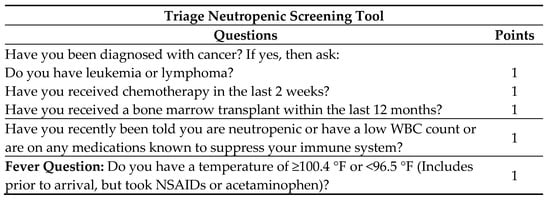
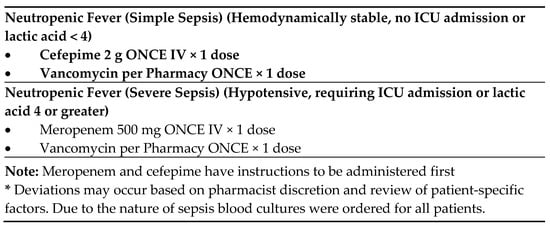
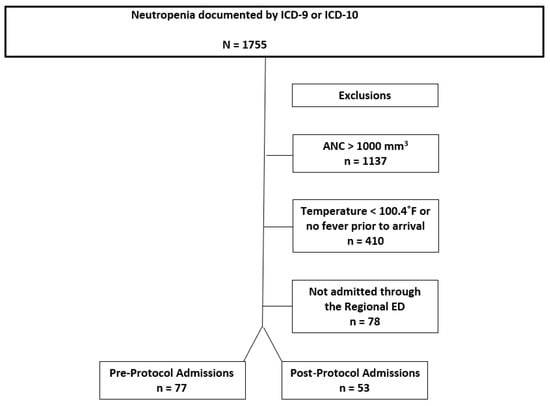
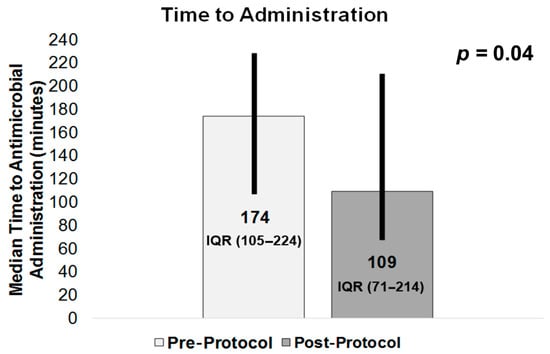
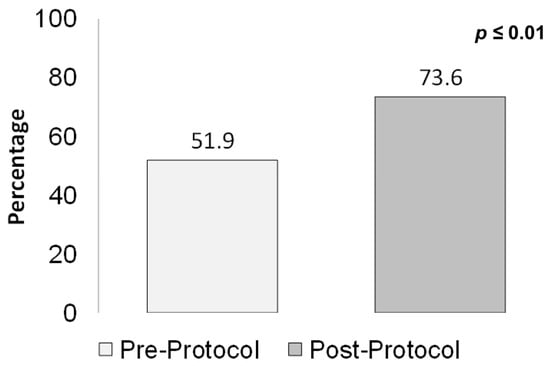
Objective: The impact of a febrile neutropenia (FN) emergency department (ED) triage screening tool and protocol on time to antibiotic administration (TTA) and patient outcomes was evaluated. Methods: This was a retrospective, quasi-experimental study of adult FN patients admitted through the ED from April 2014 to April 2017. In March 2016 a triage screening tool and protocol were implemented. In patients who screened positive, nursing initiated a protocol that included laboratory diagnostics and a pharmacy consult for empiric antibiotics prior to evaluation by a provider. Patients were evaluated pre- and post-protocol for TTA, 30-day mortality, ED length of stay (LOS), and hospital LOS. Results: A total of 130 patients were included in the study, 77 pre-protocol and 53 post-protocol. Median TTA was longer in the pre-protocol group at 174 min (interquartile range [IQR] 105–224) vs. 109 min (IQR 71–214) post-protocol, p = 0.04. Thirty-day mortality was greater at 18.8% pre-protocol vs. 7.5% post-protocol, p = 0.12. There was no difference in hospital LOS. Pre-protocol patients compared to post-protocol patients who had a pharmacy consult demonstrated a further reduction in TTA (174 min [IQR 105–224] vs. 87.5 min [IQR 61.5–135], p < 0.01) and a reduced mortality (18% vs. 0%, p = 0.04). Conclusions: To our knowledge, this is the first report of a protocol for febrile neutropenia that allows pharmacists to order antibiotics based on a nurse triage assessment. Evaluation of the protocol demonstrated a significant reduction in TTA and trend toward improved mortality.
Full article

Figure 1
Open AccessReview
Obesity: Clinical Impact, Pathophysiology, Complications, and Modern Innovations in Therapeutic Strategies
by
Mohammad Iftekhar Ullah and Sadeka Tamanna
Medicines 2025, 12(3), 19; https://doi.org/10.3390/medicines12030019 - 28 Jul 2025
Cited by 3
Abstract
►▼
Show Figures
Obesity is a growing global health concern with widespread impacts on physical, psychological, and social well-being. Clinically, it is a major driver of type 2 diabetes (T2D), cardiovascular disease (CVD), non-alcoholic fatty liver disease (NAFLD), and cancer, reducing life expectancy by 5–20 years
[...] Read more.
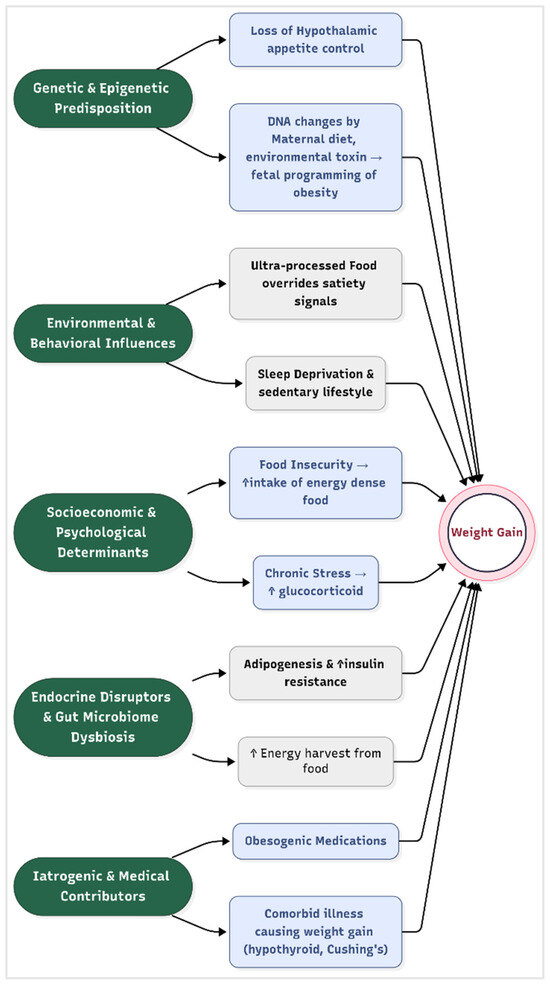
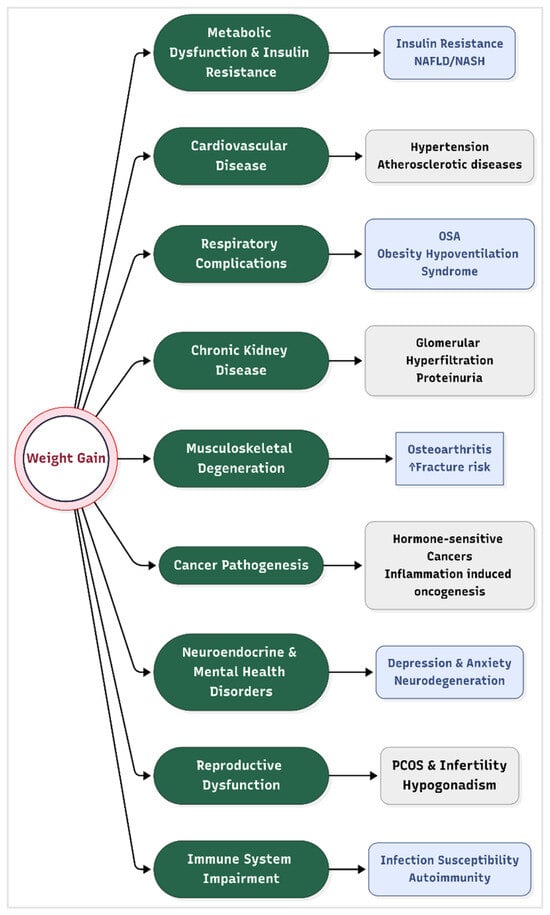
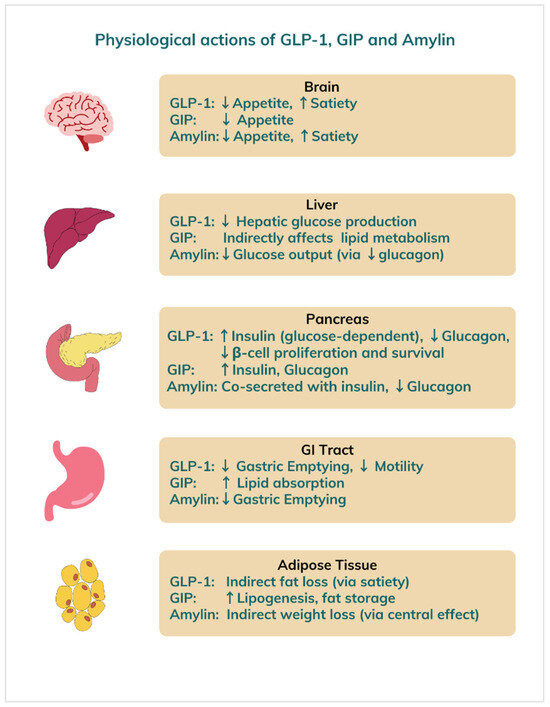
Obesity is a growing global health concern with widespread impacts on physical, psychological, and social well-being. Clinically, it is a major driver of type 2 diabetes (T2D), cardiovascular disease (CVD), non-alcoholic fatty liver disease (NAFLD), and cancer, reducing life expectancy by 5–20 years and imposing a staggering economic burden of USD 2 trillion annually (2.8% of global GDP). Despite its significant health and socioeconomic impact, earlier obesity medications, such as fenfluramine, sibutramine, and orlistat, fell short of expectations due to limited effectiveness, serious side effects including valvular heart disease and gastrointestinal issues, and high rates of treatment discontinuation. The advent of glucagon-like peptide-1 (GLP-1) receptor agonists (e.g., semaglutide, tirzepatide) has revolutionized obesity management. These agents demonstrate unprecedented efficacy, achieving 15–25% mean weight loss in clinical trials, alongside reducing major adverse cardiovascular events by 20% and T2D incidence by 72%. Emerging therapies, including oral GLP-1 agonists and triple-receptor agonists (e.g., retatrutide), promise enhanced tolerability and muscle preservation, potentially bridging the efficacy gap with bariatric surgery. However, challenges persist. High costs, supply shortages, and unequal access pose significant barriers to the widespread implementation of obesity treatment, particularly in low-resource settings. Gastrointestinal side effects and long-term safety concerns require close monitoring, while weight regain after medication discontinuation emphasizes the need for ongoing adherence and lifestyle support. This review highlights the transformative potential of incretin-based therapies while advocating for policy reforms to address cost barriers, equitable access, and preventive strategies. Future research must prioritize long-term cardiovascular outcome trials and mitigate emerging risks, such as sarcopenia and joint degeneration. A multidisciplinary approach combining pharmacotherapy, behavioral interventions, and systemic policy changes is critical to curbing the obesity epidemic and its downstream consequences.
Full article

Figure 1
Open AccessArticle
First-Ever Stroke Outcomes in Patients with Atrial Fibrillation: A Retrospective Cross-Sectional Study
by
Ivanka Maduna, Dorotea Vidaković, Petra Črnac, Christian Saleh and Hrvoje Budinčević
Medicines 2025, 12(3), 18; https://doi.org/10.3390/medicines12030018 - 24 Jul 2025
Abstract
Background/Objectives: Atrial fibrillation (AF) is the most significant modifying risk factor for the development of cardioembolic stroke, which is associated with worse outcomes and higher intrahospital mortality compared to other types of ischemic stroke. Antithrombotic medications are administered as prophylactic treatment in
[...] Read more.
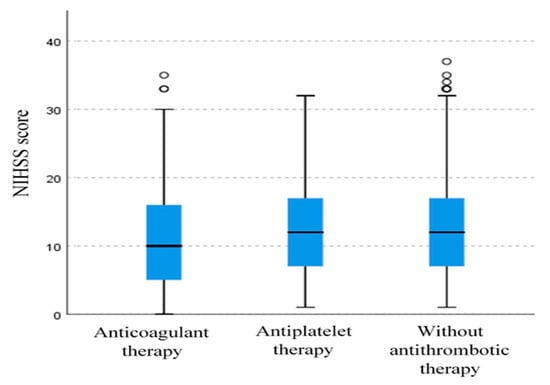
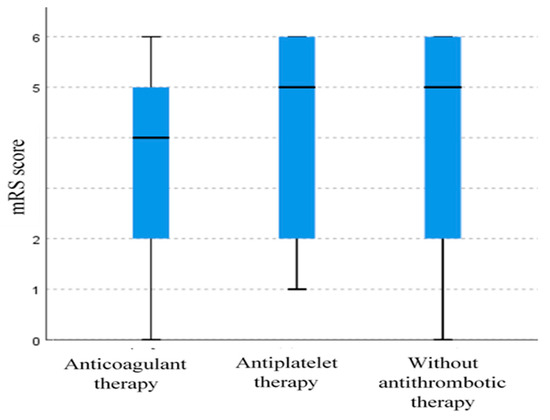
Background/Objectives: Atrial fibrillation (AF) is the most significant modifying risk factor for the development of cardioembolic stroke, which is associated with worse outcomes and higher intrahospital mortality compared to other types of ischemic stroke. Antithrombotic medications are administered as prophylactic treatment in patients with a risk of stroke. The aim of this study was to determine outcome measures in patients with first-ever ischemic stroke and AF regarding prior antithrombotic therapy. Methods: We collected data on stroke risk factors, CHADS2 score, and international normalized ratio (INR) value in the context of warfarin therapy, as well as data related to localization, stroke severity, and functional outcome at discharge. Results: A total of 754 subjects with first-ever ischemic stroke and AF were included in this cross-sectional study (122 on warfarin, 210 on acetylsalicylic acid, and 422 without prior antithrombotic therapy). The diagnosis of AF was previously unknown in 31% of the subjects. Stroke risk factors (arterial hypertension, hyperlipidemia, diabetes mellitus, and cardiomyopathy) were significantly lower in the group without prior antithrombotic therapy. The anticoagulant group was significantly younger (p = 0.001). Overall, 45.4% of subjects with a previously known AF event and a high risk of developing stroke received anticoagulant therapy. Participants on warfarin had a significantly better functional outcome than those on antiplatelet therapy or without prior antithrombotic therapy (median mRS 4 vs. 5 vs. 5; p = 0.025) and lower NIHSS scores, although the difference was not statistically significant (median 10 vs. 12 vs. 12; p = 0.09). There was no difference between stroke localization among groups (p = 0.116). Conclusions: Our study showed that, in our cohort, first-ever ischemic stroke due to AF was more common in women. Subjects on prior anticoagulant therapy had more favorable outcomes at discharge.
Full article
(This article belongs to the Section Cardiology and Vascular Disease)
►▼
Show Figures

Figure 1
Open AccessReview
Multi-Drug Resistant Gram-Negative Sepsis in Neonates: The Special Role of Ceftazidime/Avibactam and Ceftolozane/Tazobactam
by
Niki Dermitzaki, Foteini Balomenou, Anastasios Serbis, Natalia Atzemoglou, Lida Giaprou, Maria Baltogianni and Vasileios Giapros
Medicines 2025, 12(3), 17; https://doi.org/10.3390/medicines12030017 - 26 Jun 2025
Abstract
Neonatal sepsis is a major cause of morbidity and mortality in neonates. A particular concern is the increasing prevalence of antibiotic-resistant strains among neonatal intensive care units (NICUs). Two novel beta-lactam/beta-lactamase inhibitors have recently been approved for use in neonates with multidrug-resistant infections:
[...] Read more.
Neonatal sepsis is a major cause of morbidity and mortality in neonates. A particular concern is the increasing prevalence of antibiotic-resistant strains among neonatal intensive care units (NICUs). Two novel beta-lactam/beta-lactamase inhibitors have recently been approved for use in neonates with multidrug-resistant infections: ceftazidime/avibactam and ceftolozane/tazobactam. These agents demonstrate efficacy against a range of multidrug-resistant gram-negative pathogens, including extended-spectrum beta-lactamases (ESBL)-producing and carbapenem-resistant Enterobacterales, as well as multidrug-resistant Pseudomonas aeruginosa. This narrative review aims to summarize the current knowledge concerning the utilization of ceftazidime/avibactam and ceftolozane/tazobactam in the NICU. According to the existing literature, both agents have been shown to be highly effective with a favorable safety profile in the neonatal population.
Full article
Open AccessArticle
An Investigation of 5-Halogenated N-Indolylsulfonyl-2-fluorophenol Derivatives as Aldose Reductase Inhibitors
by
Antonios Kousaxidis, Konstantina-Malamati Kalfagianni, Eleni Seretouli and Ioannis Nicolaou
Medicines 2025, 12(3), 16; https://doi.org/10.3390/medicines12030016 - 23 Jun 2025
Cited by 1
Abstract
►▼
Show Figures
Background/Objectives: Diabetes mellitus is a group of chronic metabolic disorders characterized by persistent hyperglycemia. Aldose reductase, the first enzyme in the polyol pathway, plays a key role in the onset of long-term diabetic complications. Aldose reductase inhibition has been widely established as a
[...] Read more.
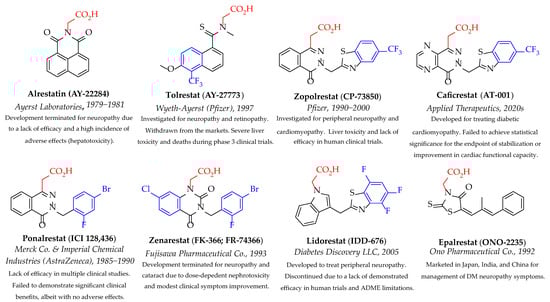
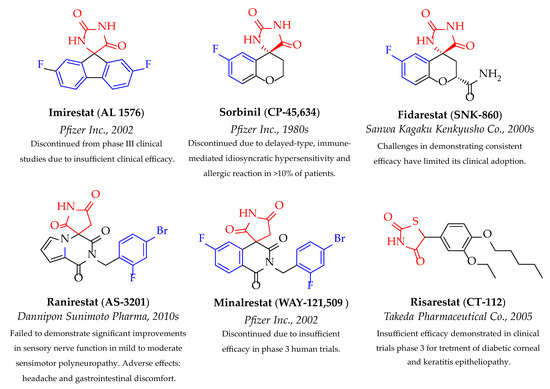
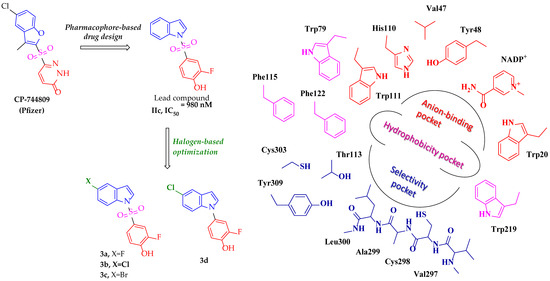
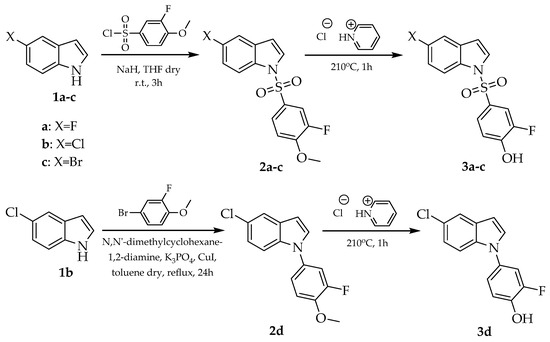
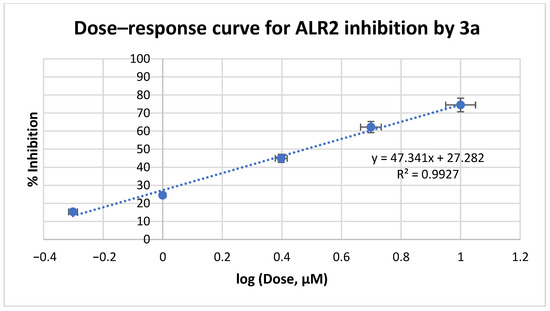
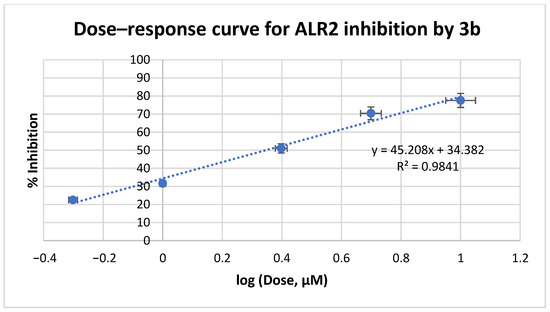
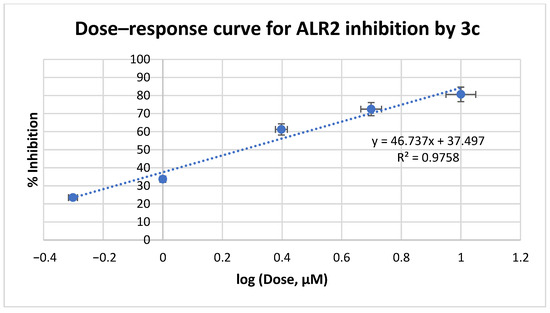
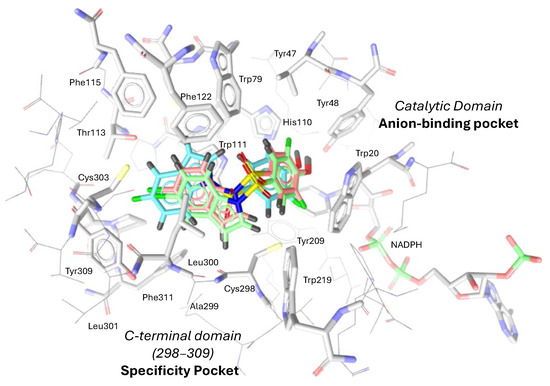
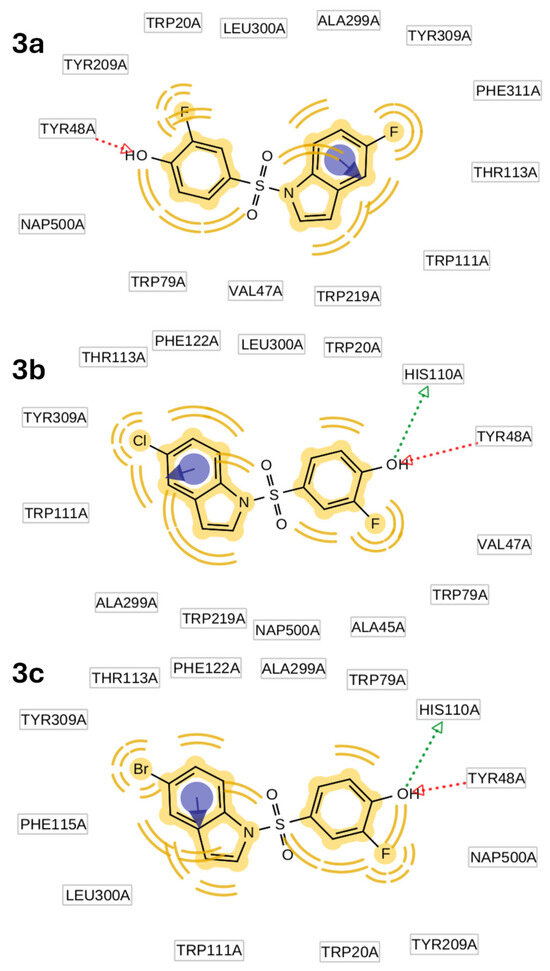
Background/Objectives: Diabetes mellitus is a group of chronic metabolic disorders characterized by persistent hyperglycemia. Aldose reductase, the first enzyme in the polyol pathway, plays a key role in the onset of long-term diabetic complications. Aldose reductase inhibition has been widely established as a potential pharmacotherapeutic approach to prevent and treat diabetes mellitus-related comorbidities. Although several promising aldose reductase inhibitors have been developed over the past few decades, they have failed in clinical trials due to unacceptable pharmacokinetic properties and severe side effects. This paper describes the design, synthesis, and pharmacological evaluation of four novel 5-halogenated N-indolylsulfonyl-2-fluorophenol derivatives (3a-d) as aldose reductase inhibitors. Methods: The design of compounds was based on a previously published lead compound (IIc) developed by our research group to enhance its inhibitory capacity. Compounds 3a-d were screened for their ability to inhibit in vitro partially purified aldose reductase from rat lenses, and their binding modes were investigated through molecular docking. Results: The presence of a sulfonyl linker between indole and o-fluorophenol aromatic rings is mandatory for potent aldose reductase inhibition. The 5-substitution of the indole core with halogens resulted in a slight decrease in the inhibitory power of 3a-c compared to IIc. Among halogens, bromine was the most capable of filling the selectivity pocket through hydrophobic interactions with Thr113 and Phe115 residues. Conclusions: Although our strategy to optimize the inhibitory potency of IIc via inserting halogen atoms in the indole scaffold was not fruitful, aromatic ring halogenation can be still utilized as a promising approach for designing more potent aldose reductase inhibitors.
Full article

Figure 1
Open AccessSystematic Review
Breaking the Stigma: A Systematic Review of Antipsychotic Efficacy in Children and Adolescents with Behavioral Disorders
by
Nuno Sanfins, Pedro Andrade and Jacinto Azevedo
Medicines 2025, 12(3), 15; https://doi.org/10.3390/medicines12030015 - 23 Jun 2025
Abstract
Background/Objectives: Oppositional defiant disorder (ODD) and conduct disorder (CD) are important behavior disorders in children and adolescents, often linked with long-term psychosocial problems. Antipsychotics are frequently prescribed to manage severe symptoms and improve behavior, but their efficacy in this population is still
[...] Read more.
Background/Objectives: Oppositional defiant disorder (ODD) and conduct disorder (CD) are important behavior disorders in children and adolescents, often linked with long-term psychosocial problems. Antipsychotics are frequently prescribed to manage severe symptoms and improve behavior, but their efficacy in this population is still unclear and a lot of physicians are remittent in prescribing them. This systematic review aims to assess the effectiveness of antipsychotic treatment in reducing symptoms associated with ODD and CD in children and adolescents. Methods: Studies that investigated how effective antipsychotic treatments are for children and teens diagnosed with oppositional defiant disorder (ODD) and conduct disorder (CD) were reviewed. Only studies that met a few main criteria were included: participants were between 5 and 18 years old with an ODD or CD diagnosis; the treatment could be any type of antipsychotic, whether typical or atypical; the accepted study designs were randomized controlled trials (RCTs), cohort studies, systematic reviews with meta-analysis, or observational studies. The outcomes of interest were reductions in aggressive or defiant behaviors, improvements in social functioning, and the occurrence of any adverse effects from the medications. There was no restriction on the language of publication, and studies published from 2000 to 2024 were considered. Studies that focused only on non-antipsychotic drugs or behavioral therapies, as well as case reports, expert opinions, and non-peer-reviewed articles did not meet the inclusion criteria. Results: The review consisted of 13 studies. The results suggest that some antipsychotic drugs—especially atypical antipsychotics—can substantially reduce aggressive and defiant behavior in children and adolescents who have oppositional defiant disorder (ODD) or conduct disorder (CD). Common side effects of these medications include weight gain, sedation, and metabolic problems. Conclusions: Although adverse effects are a concern, the potential of these medications to manage disruptive behaviors should not be overlooked. When used in combination with behavioral therapy and other forms of treatment, antipsychotics can markedly improve the outcomes of these very difficult-to-treat patients. Clinicians who treat these patients need to consider antipsychotics as a serious option. If they do not, they are denying their patients medication that could greatly benefit them.
Full article
(This article belongs to the Special Issue Clinical Psychopharmacology and Toxicology)
►▼
Show Figures

Figure 1
Open AccessArticle
Dual Antibiotic-Infused Liposomes to Control Methicillin-Resistant Staphylococcus aureus
by
Sourav Chakraborty, Piyush Baindara, Surojit Das, Suresh K. Mondal, Pralay Sharma, Austin Jose T, Kumaravel V, Raja Manoharan and Santi M. Mandal
Medicines 2025, 12(2), 14; https://doi.org/10.3390/medicines12020014 - 22 May 2025
Cited by 1
Abstract
►▼
Show Figures
Background: Methicillin-resistant Staphylococcus aureus (MRSA) considered under the category of serious threats by the Centers for Disease Control and Prevention (CDC), urges for new antibiotics or alternate strategies to control MRSA. Methods: Ethosome-like liposomes have been developed and characterized using dynamic
[...] Read more.
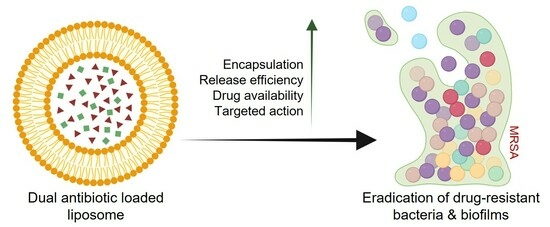
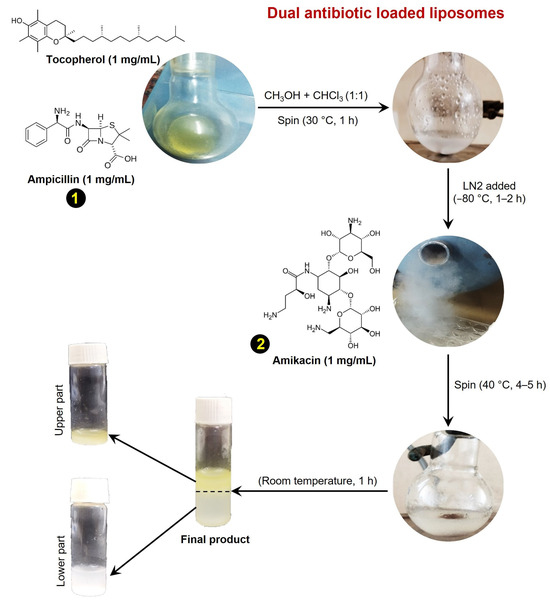
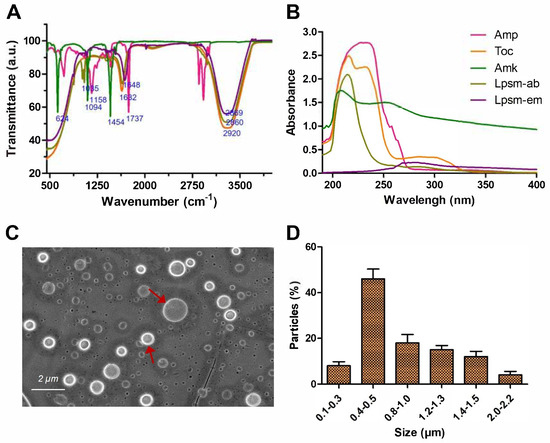
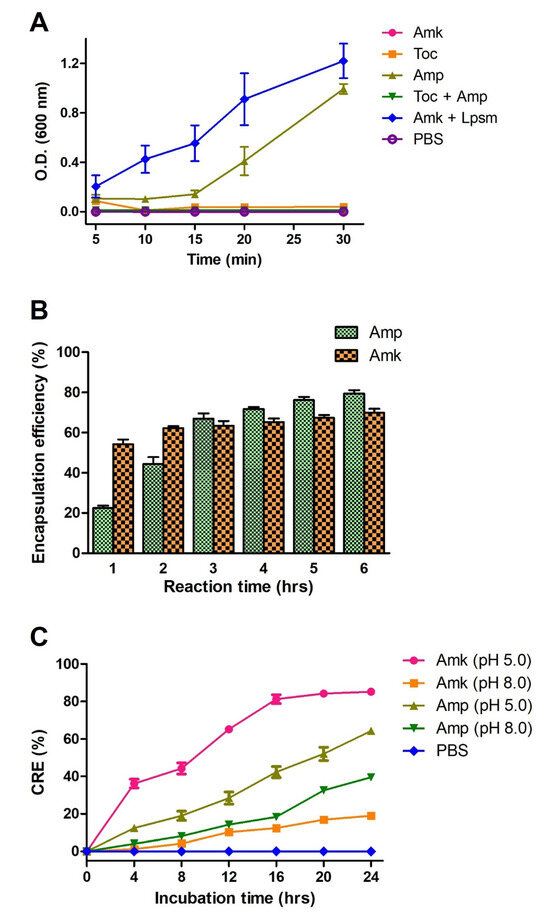
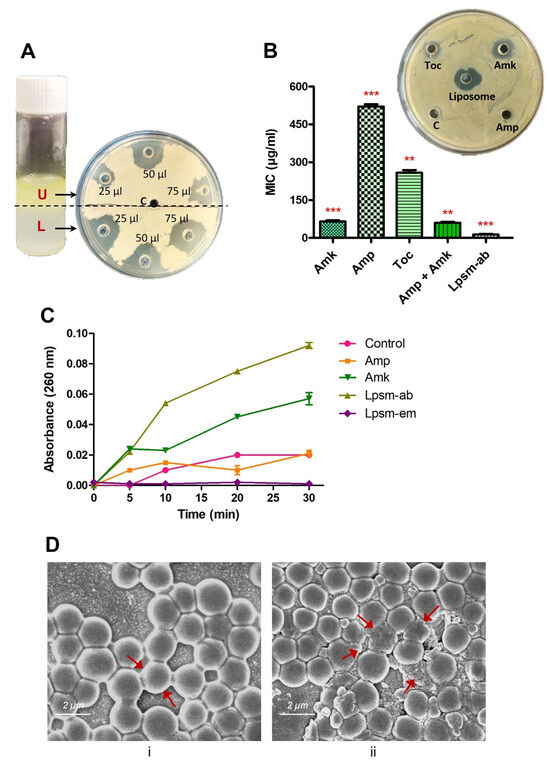
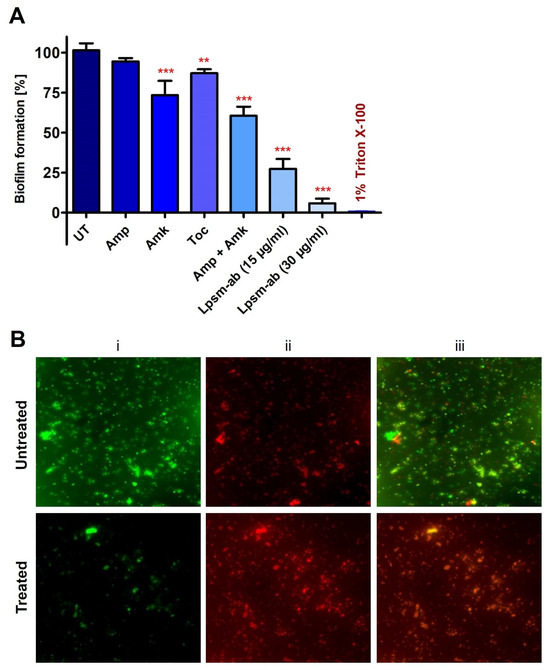
Background: Methicillin-resistant Staphylococcus aureus (MRSA) considered under the category of serious threats by the Centers for Disease Control and Prevention (CDC), urges for new antibiotics or alternate strategies to control MRSA. Methods: Ethosome-like liposomes have been developed and characterized using dynamic light scattering (DLS), Fourier transform infrared spectroscopy (FTIR), and scanning electron microscopy (SEM). Liposomes were confirmed for antibiotics infusion by encapsulation efficiency and release kinetics as well. Further, the antimicrobial potential of liposomes was checked by determination of minimum inhibitory concentrations (MICs), crystal violet assay, and live/dead biofilm eradication assay. Results: The specially designed liposomes consist of amphiphilic molecules, tocopherol, conjugated with ampicillin and, another antibiotic amikacin, loaded in the core. The developed liposomes exhibited good encapsulation efficiency, and sustained release while serving as ideal antibiotic carriers for advanced efficacy along with anti-inflammatory benefits from tocopherol. Conclusively, newly designed liposomes displayed potential antimicrobial activity against MRSA and its complex biofilms. Conclusions: Overall, dual antibiotic-encapsulated liposomes demonstrate the potential to eradicate MRSA and its mature biofilms by dual-targeted action. This could be developed as an efficient anti-infective agent and delivery vehicle for conventional antibiotics to combat MRSA.
Full article

Graphical abstract
Open AccessArticle
Ticagrelor Versus Prasugrel in Acute Coronary Syndrome: Real-World Treatment and Safety
by
Fadel Bahouth, Boris Chutko, Haitham Sholy, Sabreen Hassanain, Gassan Zaid, Evgeny Radzishevsky, Ibrahem Fahmwai, Mahmod Hamoud, Nemer Samnia, Johad Khoury and Idit Dobrecky-Mery
Medicines 2025, 12(2), 13; https://doi.org/10.3390/medicines12020013 - 14 May 2025
Cited by 1
Abstract
►▼
Show Figures
Introduction: A direct head-to-head comparison between potent P2Y12 inhibitors: prasugrel versus ticagrelor is still lacking. Purpose: In this single-center study, we sought to address the efficacy and safety of these two third-generation antiplatelet drugs, after about a decade of practical use.
[...] Read more.
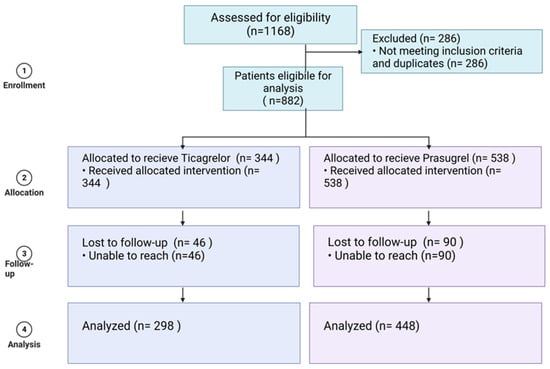
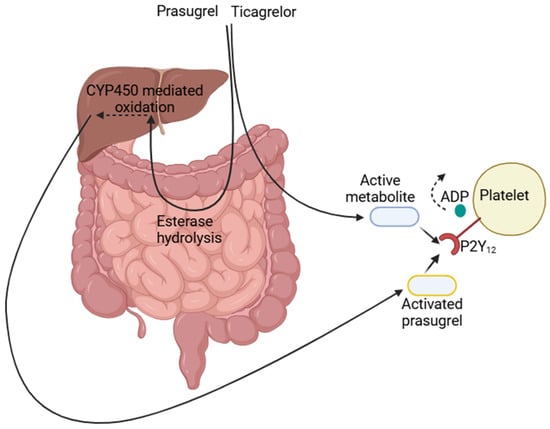
Introduction: A direct head-to-head comparison between potent P2Y12 inhibitors: prasugrel versus ticagrelor is still lacking. Purpose: In this single-center study, we sought to address the efficacy and safety of these two third-generation antiplatelet drugs, after about a decade of practical use. Methods: A retrospective observational study included all patients who were admitted with acute coronary syndrome between January 2010 and December 2019 and were discharged with aspirin and either prasugrel or ticagrelor after percutaneous coronary intervention. Patients were divided into two groups based on the dual antiplatelet drugs prescribed. Primary endpoint: A composite endpoint of cardiovascular death, recurrent coronary syndrome, or ischemic stroke at one year. Secondary endpoint: Significant bleeding according to the BARC classification (types 3, 4, or 5). Results: During this period, 746 patients met the inclusion criteria. The primary endpoint was reached in 70 patients (9.4%): 24 patients (8.0%) in the group treated with ticagrelor and 46 patients (10.3%) in the group treated with prasugrel (p-value = 0.303). In terms of safety events, significant bleeding was not statistically different between the ticagrelor and prasugrel groups: 13 (2.9%) vs. 9 (3%), respectively (p-value = 0.9). More patients discontinued their treatment before the end of the year among those treated with ticagrelor compared to those treated with prasugrel (16.7% vs. 9.6%, p-value = 0.003). Conclusions: There was no significant difference in the occurrence of recurrent cardiac events, stroke, or cardiovascular death, nor significant bleeding among ACS patients treated either with prasugrel or ticagrelor.
Full article

Figure 1
Open AccessArticle
Assessing the Market Readiness for Medical Cannabis in Greece: A Qualitative Study of Patient Perspectives
by
Christos Ntais and Yioula Melanthiou
Medicines 2025, 12(2), 12; https://doi.org/10.3390/medicines12020012 - 9 May 2025
Abstract
Background: The introduction of medical cannabis in Greece marks a shift in healthcare policy, yet patient attitudes remain underexplored. Methods: This qualitative study examines the market readiness for medical cannabis through semi-structured interviews with 24 participants—12 users of cannabidiol (CBD)-based formulations and 12
[...] Read more.
Background: The introduction of medical cannabis in Greece marks a shift in healthcare policy, yet patient attitudes remain underexplored. Methods: This qualitative study examines the market readiness for medical cannabis through semi-structured interviews with 24 participants—12 users of cannabidiol (CBD)-based formulations and 12 medical cannabis-naive individuals. Results: CBD-experienced patients generally perceive cannabis-based treatments as beneficial for managing musculoskeletal pain, migraines, anxiety, stress and sleep disturbances, despite concerns over product quality, cost and limited medical guidance. Medical cannabis-naive participants express skepticism due to stigma and perceived insufficient evidence but acknowledge potential therapeutic value within a regulated framework. This study highlights the need for better patient education, physician training and clear regulatory guidelines to support responsible market entry. Conclusions: These findings offer important insights for policymakers, healthcare providers and the pharmaceutical industry, emphasizing the need for a structured, evidence-based approach to medical cannabis integration in Greece. Further research is needed to assess long-term patient experiences and the evolving impact of regulatory changes on market dynamics.
Full article
Journal Menu
► ▼ Journal Menu-
- Medicines Home
- Aims & Scope
- Editorial Board
- Topical Advisory Panel
- Instructions for Authors
- Special Issues
- Topics
- Sections & Collections
- Article Processing Charge
- Indexing & Archiving
- Editor’s Choice Articles
- Most Cited & Viewed
- Journal Statistics
- Journal History
- Journal Awards
- Conferences
- Editorial Office
Journal Browser
► ▼ Journal BrowserHighly Accessed Articles
Latest Books
E-Mail Alert
News
9 December 2025
Meet Us at the 146th Annual Meeting of the Pharmaceutical Society of Japan (Osaka), 26–29 March 2026, Osaka, Japan
3 December 2025
Meet Us at the 5th Molecules Medicinal Chemistry Symposium, 14–17 May 2026, Beijing, China
Topics
Topic in
Diagnostics, Geriatrics, JCDD, Medicina, JPM, Medicines
New Research on Atrial Fibrillation
Topic Editors: Michele Magnocavallo, Domenico G. Della Rocca, Stefano Bianchi, Pietro Rossi, Antonio BisignaniDeadline: 31 March 2026
Topic in
Healthcare, Hospitals, JCM, Safety, Medicina, Medicines
Drug Use and Patient Safety in Primary and Secondary Care Settings
Topic Editors: Kingston Rajiah, Ashuin Kammar-GarcíaDeadline: 31 October 2026
Topic in
Biomedicines, IJMS, Medicines, Molecules, Pharmaceuticals, Sci. Pharm.
New Compounds Discovery and Development in Medicine — Advances in Research on Potential Therapeutic Agents and Drug Candidates, 2nd Edition
Topic Editors: Monika Wujec, Anna Bogucka-Kocka, Przemysław Kołodziej, Jacek BoguckiDeadline: 31 December 2026
Topic in
Compounds, Medicines, Molecules, Plants, Separations, Applied Biosciences, Life, Pharmaceuticals
Research on Natural Products of Medical Plants
Topic Editors: Cristiane Aguiar Da Costa, Graziele Freitas De BemDeadline: 5 March 2027
Conferences
Special Issues
Special Issue in
Medicines
Drug Abuse and Withdrawal Syndromes: From Addiction Pathways to Novel Interventions
Guest Editor: Stephen J. LewisDeadline: 31 January 2026
Special Issue in
Medicines
Drug-Related Problems: Clinical Pharmacy and Safety of Pharmacotherapy
Guest Editors: Mariola Drozd, Jakub PawlikowskiDeadline: 15 February 2026
Conference Reports
Medicines 2017, 4(4), 83; https://doi.org/10.3390/medicines4040083
Medicines 2017, 4(4), 76; https://doi.org/10.3390/medicines4040076